

Why Your Accountant and Your Marketing Departments Should Be Besties
It’s no secret that most businesses keep these two relationships completely separate, the accountant gets a quarterly call and a bag of receipts whilst the marketing agency gets a brief, a budget sign-off, and not much else. Although it feels like these two relationships are like chalk and cheese, they can actually help each other out a lot by sharing insights and data.
When financial data and brand strategy sit in different rooms, the decisions that come out of each room are always going to come out half-informed. Your accountant is approving a spend that your marketing agency hasn’t pressure-tested, your agency is pitching a campaign without knowing what your margins actually support. It feels like one hand isn’t talking to the other and it can get expensive fast. The work that follows is rarely wrong, but it’s almost never as sharp as it could be.
What actually goes wrong when they don’t talk?
The most common version of this problem looks like a marketing budget that was set in January and hasn’t been revisited since, even though the business has grown, or contracted, or shifted focus entirely. If your marketing team is working to a set budget and this needs to flex, have that conversation, it will save time and effort later down the line. Additionally if your accountant has no visibility of what the budget is being spent on or whether it’s generating anything worth measuring, that’s a massive missed opportunity to collaborate.
Cash flow timing is another big flag to be waving between the teams. Imagine a campaign launches in September but the invoices hit in October. The accountant sees a spike they weren’t warned about and marketing are told to pause their amazing new campaign. None of this is a crisis, but all of it creates friction that could have been avoided with one shared conversation at the planning stage.
What do they actually need to share?
Well not everything. Accountants don’t need to approve copy, and marketing agencies don’t need access to your full P&L, but what both parties do need is a working understanding of three things: what the business is trying to achieve in the next six to twelve months, what resource is realistically available to support it, and how success is going to be measured.
That last point matters more than people acknowledge as Marketing tends to measure success in traffic, leads and engagement but Accounting tends to measure it in revenue, margin and cost per acquisition. When those two measurement systems never meet, you get campaigns that look brilliant on a dashboard and but are confusing on a profit report. Getting both parties to agree on a shared metric at the start changes the quality of every decision that follows.
Why does this matter particularly right now?
The pressure on small and medium-sized businesses heading into the second half of 2026 is tough. Interest rates, rising operational costs and a tighter credit environment mean that discretionary spend, which includes most marketing budgets, is under more scrutiny than it was two or three years ago. Businesses that can demonstrate a direct line between their marketing activity and their financial performance are in a much stronger position, both with lenders and with their own boards.
That demonstration requires accountants and marketers to be working from the same data, the same shared goal. The businesses that are doing this well right now aren’t necessarily spending more, they’re spending with more precision and they can prove success with tangible outcomes.
So what can you do about it this week?
An easy way to get the ball rolling is to start with a single shared document that you can both access easily. One page that lists your top three business objectives for the rest of 2026, the budget allocated to marketing activity, and the financial metric you’re using to judge whether it’s working would be a good place to start. Send it to both your accountant and your marketing contact and ask them both to sense-check it.
If the responses come back with different assumptions baked in, that’s your answer, you’ve found the gap. From there, a thirty-minute call between all three parties, quarterly at minimum, is enough to keep both sides of the picture aligned.
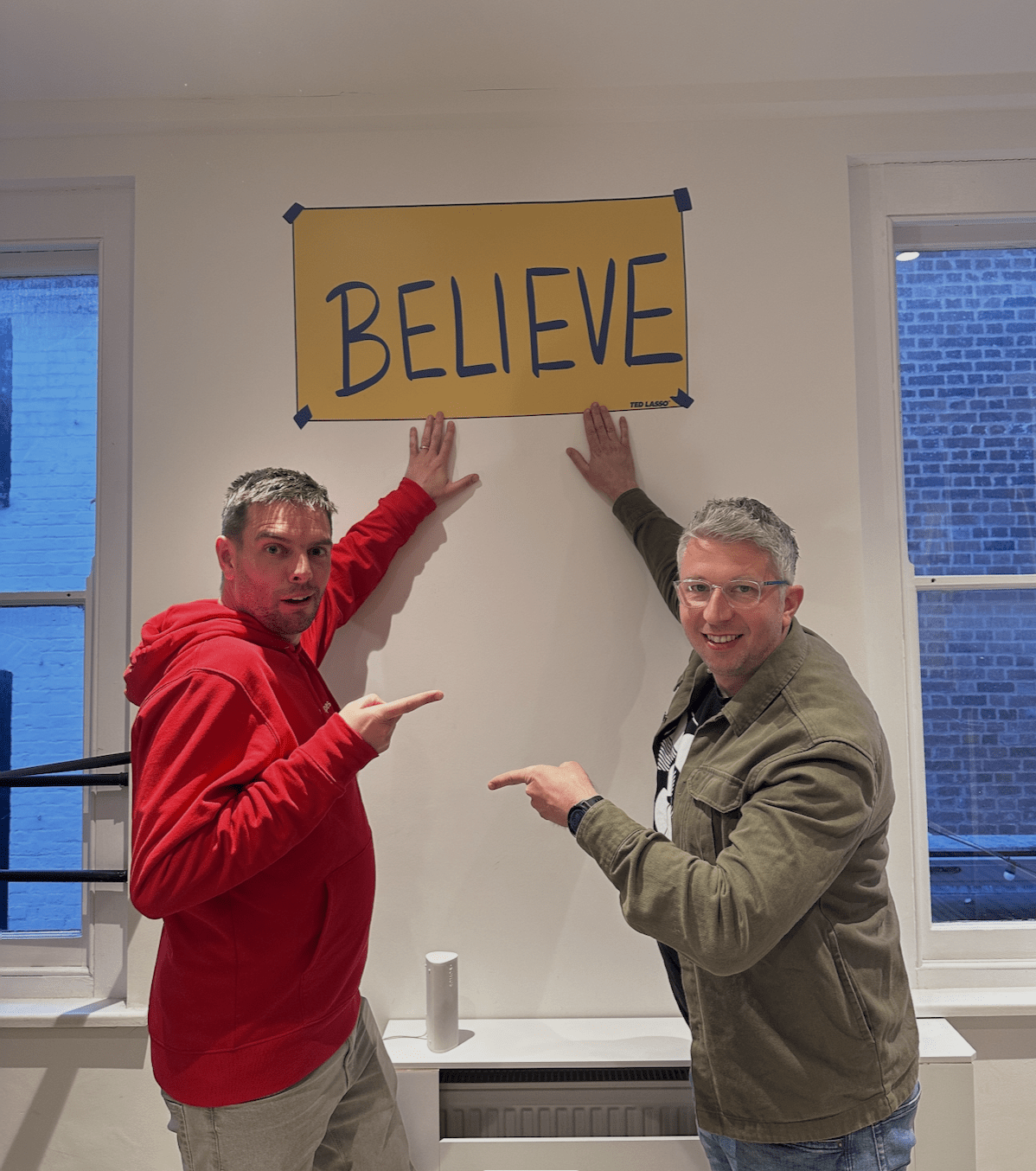
At Shapes, this is built into our DNA, Jim and Steve built the business so that the accounting and marketing functions operate in the same room, literally and strategically, which means every campfire is a place to rest, take stock of your supplies and decide where to adventure to next. Marketing and Accounting can be best friends, lets journey this together.
Ready to stop running two separate conversations? Get in touch with the Shapes team and let’s look at what your accounting and marketing picture looks like together.